Houston’s Finest: How to Choose the Best Collision Centers for Your Car
Houston’s Finest: How to Choose the Best Collision Centers for Your Car
Blog Article
It's a sad truth that road accidents occur frequently, resulting in cars that often require considerable repair after the fact. Collision repair comprises numerous services focused on returning vehicles to their pre-accident state. Whether you face minor dings or severe damage, comprehending the details of collision repair is vital for all car owners. The standard of repair can significantly impact both the performance and safety of your vehicle in the long run. If you find yourself needing professional help, an established auto body repair shop can provide the critical repairs you need. For a deeper insight into collision repair services in Houston, look into specialized options crafted for your car's specifications the official site. Collision repair refers to a complex procedure that often includes multiple stages, tailored to the extent of damage experienced. When a vehicle undergoes a collision, a range of components could be compromised including the structure, paintwork, and mechanical systems. The main aim of collision repair is to bring the vehicle back to its original factory specifications. At the outset, the auto body shop will perform a thorough inspection of the vehicle to locate all impacted areas. This inspection is crucial as it often reveals hidden damages that are not readily apparent. Following this assessment, a comprehensive estimate will be drafted, detailing necessary repairs and their corresponding costs. Typical services encompass frame straightening, replacement of body panels, and repainting and refinishing. Every aspect is essential in ensuring that not only does the vehicle appear visually appealing, but it also preserves its structural safety. Methods applied in collision repair vary substantially based on the nature of the damage sustained. For small dents and scratches, techniques such as paintless dent repair may be utilized, which eliminates the need for repainting entirely. This approach is minimally invasive and assists in preserving the vehicle's original paint. In contrast, for more extensive damage, traditional repair methods often necessitate the removal and replacement of damaged parts with either new or refurbished options. This ensures that the vehicle is restored to a condition similar to its original state. Following the repairs, final touches including sanding and repainting are conducted to achieve a seamless finish. The integration of cutting-edge technology and equipment is vital throughout this process, particularly in collision repair. Utilizing laser measurements and computerized paint matching can significantly improve precision and quality, ultimately leading to a more satisfactory result. Choosing the right collision repair shop can be a daunting task, but several key factors can guide your decision-making process. Start by researching certified auto body shops in your area, as certifications indicate adherence to industry standards. Look for customer reviews and testimonials; these can provide insights into the quality of service and the experiences of others. Additionally, consider the warranties offered by the repair shop. A reputable collision repair facility will stand behind their work and provide warranties on both parts and labor. This can offer peace of mind knowing that if an issue arises after repairs, you have recourse. It’s also advisable to ask about the types of materials used during repairs, as quality components can have a significant impact on the longevity and safety of the repairs. Getting a handle on the expenses related to collision repairs is crucial for setting your financial plan after an accident. Repair costs can greatly fluctuate based on various factors, including how severe the damage is and what types of repairs are necessary. For minor cosmetic damage, expenses might range from several hundred up to a thousand dollars. In contrast, significant damage, particularly if it affects structural components, can lead to costs that soar into the thousands. To accurately gauge repair expenses, it's important to gather estimates from several auto body repair shops. This practice not only enables you to compare rates but also aids in understanding the array of services provided. Keep in mind that the cheapest option isn’t always the optimal choice; it could lead to subpar repairs. Prioritize repair shops that are known for their outstanding service and warranties rather than focusing solely on price. For an extensive overview, consider visiting resources like the automobile repair entry on Wikipedia, which offers in-depth information about various vehicle repair processes.Exploring the Basics of Collision Repair
Frequently Used Techniques in Collision Repair
Selecting a Collision Repair Shop: What to Consider
The Cost of Collision Repair: What to Expect
collision repair
Tips for a Smooth Collision Repair Experience
Being prepared can significantly enhance your experience with collision repairs. Take these tips into account.
- Document everything: Keep detailed records of all communications with the repair shop, including estimates and receipts.
- Ask questions: Don’t hesitate to ask the repair facility about any uncertainties you might have regarding the repair process.
- Insurance Communication: Maintain clear communication with your insurance provider to ensure all coverage issues are addressed.
- Inspect Your Vehicle: Before leaving the shop, inspect the vehicle in detail to confirm all work was completed as agreed.
- Stay Informed: Educate yourself about common types of collision damage and repair processes to better engage with your repair shop.
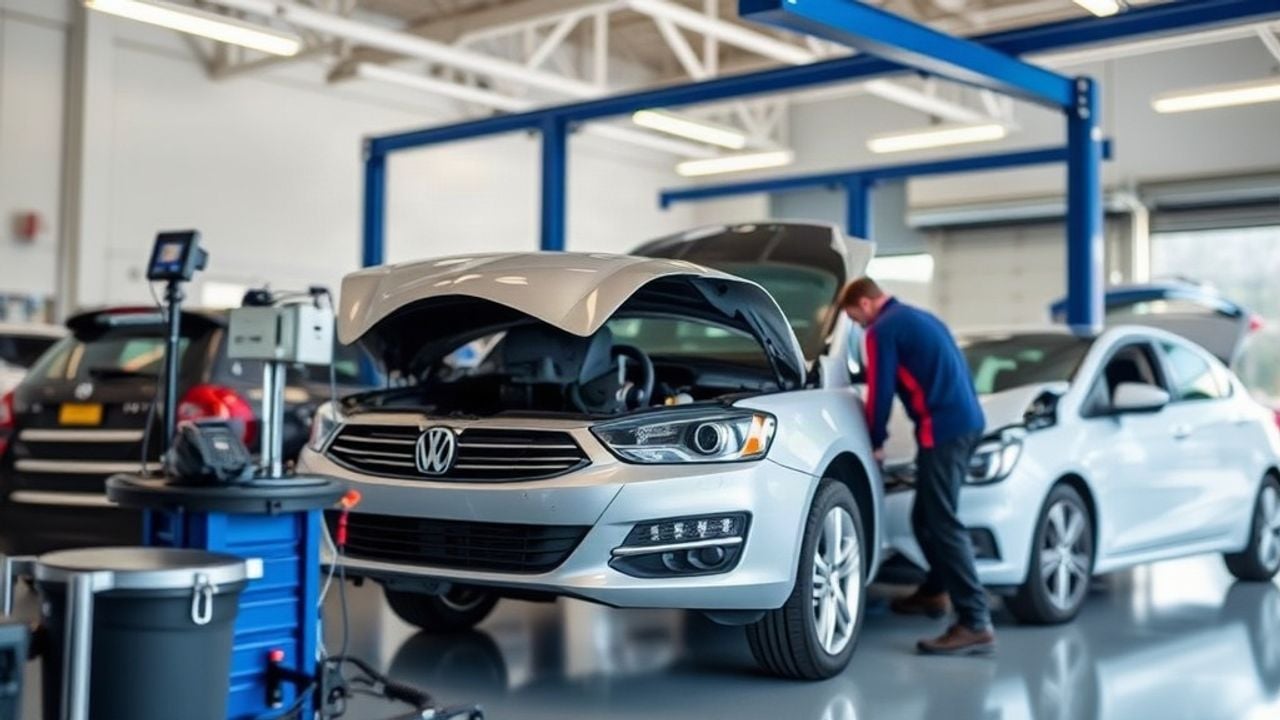 auto body shopauto body repair
Frequently asked questions
What is collision repair?
Collision repair refers to the processes involved in restoring a vehicle after it has been damaged in an accident. This can include fixing the body, frame, and mechanical systems as well as repainting and detailing the car.
How do I choose a collision repair provider?
Selecting a collision repair shop involves checking for certifications, reading customer reviews, inquiring about warranties, and comparing estimates from multiple shops to ensure you get quality service.
How much does collision repair cost?
The cost of collision repair can range significantly based on the damage’s severity. Minor repairs might cost a few hundred dollars, while extensive repairs could exceed several thousand. Getting multiple estimates helps to gauge the range of repair costs.
What are common types of collision repairs?
Common repair types include frame repairs, panel replacement, paintless dent repair, scratch repair, and full vehicle refinishing. The type needed depends on the severity of the collision damage.
Do all collision repair shops offer warranties?
Not all collision repair shops provide warranties, so it's crucial to ask before authorizing repairs. Reputable shops typically back their work with warranties on both parts and labor.
The importance of collision repair cannot be overstated; it plays a key role in maintaining both the safety and appearance of your vehicle. Gaining knowledge about the repair procedure, associated costs, and selecting a reliable service provider can significantly improve your experience following an accident. Emphasizing quality is essential for ensuring your vehicle's continued safety on the road.
By focusing on meticulous care throughout the repair process, your vehicle can be effectively restored, allowing you to drive again with confidence. It’s crucial to make well-informed decisions and seek advice from trusted auto body shops for optimal outcomes.